
If your house was built in 2013, 2015, or 2018, this guide is for you. You bought a relatively recent home—so why is one bedroom door scraping the frame? Why does a thin diagonal crack keep reappearing near the kitchen? And could the puddle that stays beside the patio after rain have anything to do with it?
For homeowners in Katy, Cypress, Sugar Land, Missouri City, Pearland and the rest of Greater Houston, the important question is not “Is my house old enough for foundation repair?” It is “What changed at my particular home, and what is the evidence?”
Your 2010s house may have changed more than you think
Between its construction and today, landscaping grows, irrigation settings change, patios and pools may be added, gutters are modified, and soil around utility trenches may settle. None of those facts proves your slab is failing. They do provide useful clues when a door or crack changes over time.
Imagine this situation: your 2016 home has a brick crack above a window on one side. A sprinkler head has been spraying the wall, and a downspout drops water into a planting bed near that corner. It would be premature to prescribe concrete piers without documenting the crack, reviewing drainage, checking plumbing when indicated, and measuring the structure. This example is illustrative, not a claim about a completed customer job.
What Houston-area soil has to do with the problem
Some Greater Houston soils contain expansive clays that change volume as moisture changes. Other nearby sites contain different mixes of clay, loam, fill, or disturbed soil. The property’s actual soil, drainage, vegetation, and foundation design determine relevance. According to the USDA NRCS Web Soil Survey, mapped soils can be examined by location; a map is a starting point, not a foundation diagnosis.
Two common conditions worth separating:
- Water concentrating near one corner: gutter overflow, poorly directed downspouts, a changed flower bed, or an irrigation issue can make one area wetter than others.
- Drying soil and changing vegetation: seasonal dry weather and established trees can affect moisture patterns. Do not assume a tree alone caused the crack, and do not remove a tree before understanding its condition and the site.
Harris County’s Flood Control District documents how intense rainfall can overwhelm regional drainage systems; street or neighborhood flooding risk and soil-related building movement are different questions.
Five observations you can make without opening the slab
- Take matching photos: record both ends of a crack with a dated reference object; repeat later from the same angle.
- Check the door: note if it is consistently misaligned or only changes with humidity; a door problem can have several causes.
- Walk the outside: from safe, firm ground, look for standing water, exposed soil gaps, disconnected downspouts, and irrigation heads soaking a wall.
- Review renovation history: patios, pools, additions, new sewer lines, and regrading can change water flow and access.
- Consider hidden leaks: unexplained water use or recurring dampness warrants qualified leak evaluation; don’t assume foundation piers will fix plumbing.

When does the repair discussion become serious?
If an evaluation identifies movement that needs structural support, ask the contractor to explain its findings and a marked pier-location plan. How many support points are proposed? Are they on the perimeter or inside? What protects plumbing and finishes? What leveling limitations and warranty exclusions apply? Piers are a possible solution to certain structural conditions, not a cure for every crack.
For appropriate slab work, ConstrucNica’s concrete pressure pier system can include hand-excavated access, hydraulically driven concrete cylinders, an 8 × 8 × 12-inch support block, controlled lifting and leveling components. Details depend on the actual foundation and approved scope. See how our concrete cylinder pier method works and what influences foundation repair costs.

What about the roof and drains of a 2010s house?
Roof age matters too: some roofing installed in the 2010s may now be approaching a stage where localized failures, storm damage, or maintenance history matter. From the ground, look for displaced shingles, gutter overflow, or stains below roof penetrations. Do not climb the roof yourself. Compare roof repair with roof replacement costs based on actual condition—not solely the year built.
What to ask when the estimator visits
“What specific evidence shows the foundation is moving?” “Have we considered the drainage and plumbing possibilities?” “Where are the proposed piers and why?” “What changes after we fix the water problem?” “Is an independent engineer appropriate?” Ask for written answers and pictures you can understand.
Your home is not just another address. Tell us its construction year, the symptoms you see, where water collects, and what has changed. Start with Houston foundation repair services or request a site-specific estimate.
Keep learning: Foundation repair by decade · Illustrated Learning Center · Homeowner Q&A · Prevention checklist · Cities we serve.
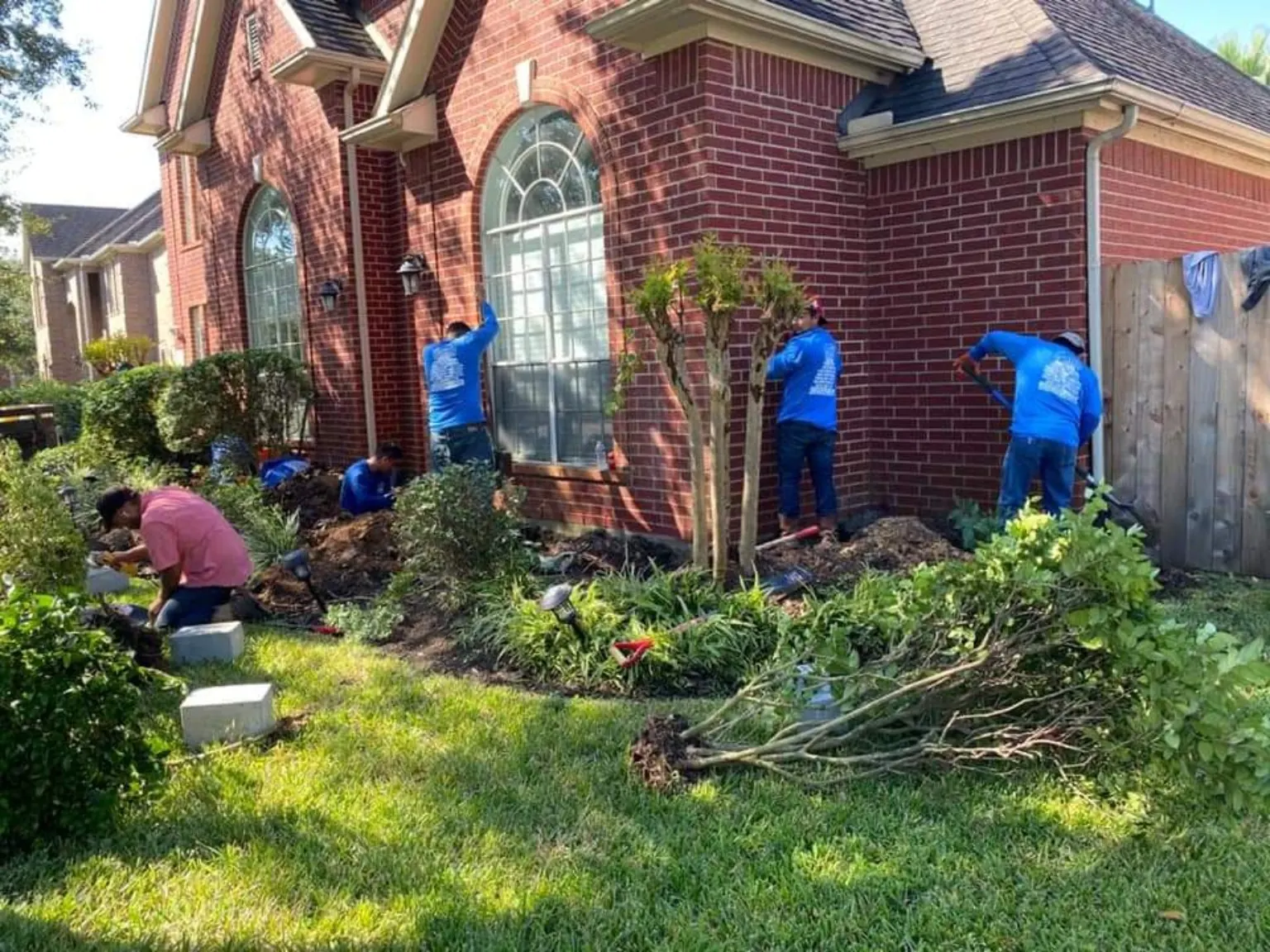
General education, not a diagnosis or engineered foundation plan. Photos show representative work, not necessarily a home built in the period discussed.