
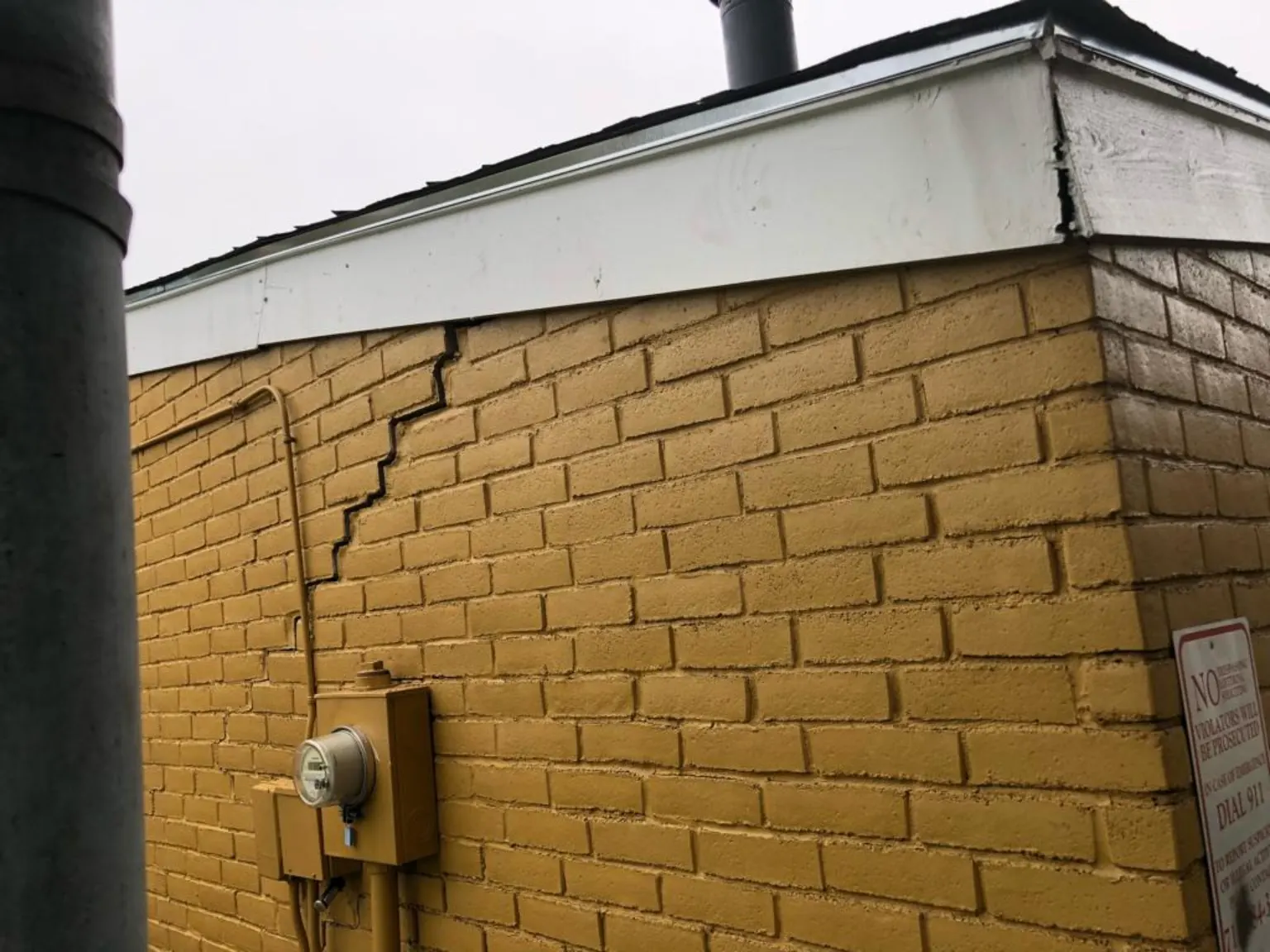
“This home is only three years old. Why am I already seeing a crack?” If you purchased a house built between 2020 and 2026 in Katy, Fulshear, Cypress, Pearland, Sugar Land, Spring, or another Houston-area community, this can feel alarming. But the right first step is not immediately ordering piers—it is determining what the symptom actually means.
A newly built home may experience ordinary finish movement, weather-related material changes, or a condition deserving deeper review. A visible crack alone cannot distinguish them.
New construction does not eliminate soil or drainage questions
Soil below a home can be clay, loam, fill, or a combination; some expansive clays shrink as they dry and swell as moisture returns. New developments may also have grading, lawns, drainage features, planting beds, and utility trenches that need ongoing attention. Do not infer a specific neighborhood’s exact soil from its city name. Consult the USDA NRCS Web Soil Survey as background and ask for site-specific investigation where needed.
The new-home symptoms owners ask us about
1. A thin line where drywall meets the ceiling
Drywall and framing can move with temperature and humidity. Take dated photos and note whether the crack grows, reappears after repair, or occurs alongside door and floor changes. Don’t call every seam a foundation failure.
2. A door that rubbed after the last dry period
Record which door is affected, how much it moves, and whether nearby windows or baseboards have changed too. The hinge, frame, humidity, or building movement may be involved. An evaluator should separate these possibilities.
3. Water collecting behind the garage or along the fence
Inspect from the ground after rain. Did a later patio installation or decorative landscape border obstruct a swale? Does a gutter drain onto a narrow strip of soil? Storm drainage in Harris County is designed around real limitations; Harris County Flood Control District FAQs explain why intense rain can overwhelm streets and local systems. Do not obstruct drainage easements or send runoff onto neighboring properties.
4. A suspiciously high water bill or a wet wall
Investigate the water supply or plumbing system before assuming a structural cause. Review safe leak checks in our home maintenance guide. For regulated plumbing diagnostics or repair, use an appropriately licensed plumber; ConstrucNica separately provides excavation support for plumbers where needed.
Before paying for foundation piers: check your builder records
- Locate the builder’s written warranty and note its actual coverage, deadlines, and claims process; terms vary.
- Preserve inspection reports, floor plans, foundation documents, earlier punch lists, and photos.
- Document the symptom and report it in writing if you think it is covered. Do not assume every concrete or finish crack qualifies.
- If a contractor proposes foundation stabilization, ask what measurements and evidence support the exact scope. An independent professional opinion may help where disputes or substantial work are involved.
Repairing a finish crack before understanding its cause may only hide an ongoing issue. On the other hand, doing nothing about a dangerous condition can increase risk. The answer depends on what is actually happening.
What a properly explained repair plan would look like
If structural findings support slab stabilization, the written proposal should show where support is needed, why those locations were selected, and what cannot be guaranteed about lifting. For applicable projects, ConstrucNica’s concrete pressure pier system uses hydraulically driven concrete cylinders, a concrete support block and leveling elements. Not every newer foundation needs this method or the same pier quantity.

Safe prevention for your first five to ten years
- Know the water path: after a strong rain, observe gutters, swales, drains, and low corners from safe locations.
- Keep irrigation in check: repair spray heads that soak walls or leak continuously. Texas A&M AgriLife recommends irrigation methods that reduce runoff from compacted and clay soils; see cycle-and-soak guidance.
- Protect access and records: save warranty paperwork, permit information, original landscape/drainage plans, and periodic photographs.
- Do not DIY structural lifting: foundation excavation and jacking are specialized work with significant safety risks.
A practical question for a foundation contractor
“What can you show me that separates a cosmetic new-home crack from an actual structural-support problem?” The answer should include observations and limitations, not just a sales pitch about a pier system.
Read our older-home foundation guide, Houston repair cost guide, or city service-area pages. For a specific concern at your property, contact ConstrucNica.
Keep learning: Foundation repair by decade · Illustrated Learning Center · Homeowner Q&A · Prevention checklist · Cities we serve.
General education, not a diagnosis or engineered foundation plan. Photos show representative work, not necessarily a home built in the period discussed.